

Buying auditorium chairs is not a simple purchasing decision. For large-scale projects such as universities, conference halls, and cultural centers, seating is a long-term investment that directly affects comfort, durability, and operational efficiency.
Many buyers focus only on price at the beginning. However, the real success of a project depends on selecting the right auditorium seating system based on technical specifications, materials, and supplier reliability.
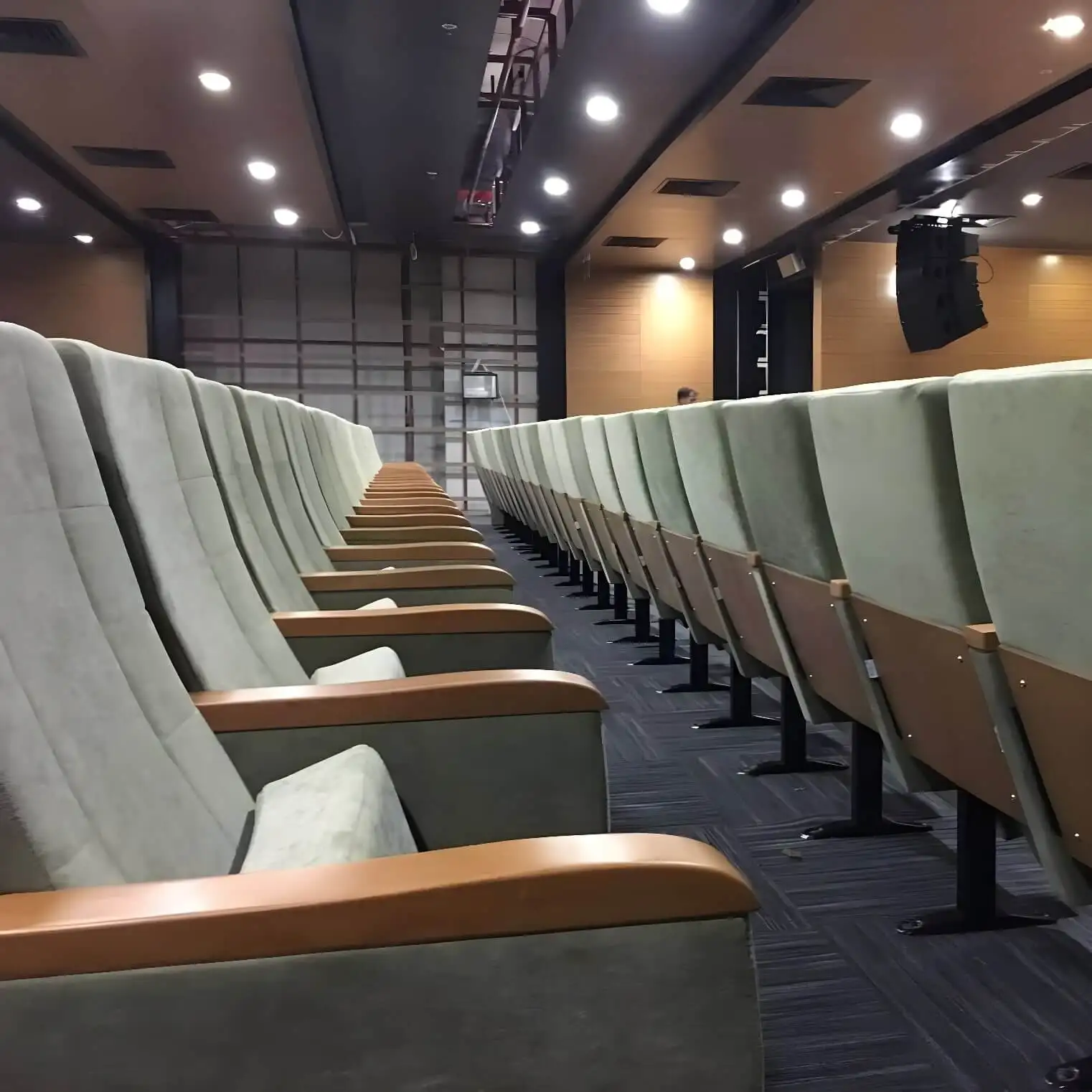
Step 1: Define Your Project Requirements
Before requesting any quotation, it is essential to clearly define the project.
Key questions to consider:
- What type of venue is it? (auditorium, lecture hall, conference hall)
- How many seats are required?
- What are the row dimensions and step heights?
- Is the floor flat or tiered?
- Are additional features needed? (writing tablets, numbering, etc.)
Without this information, it is almost impossible to receive an accurate offer.
Step 2: Understand Different Types of Auditorium Chairs
Auditorium seating is not a single product category. Choosing the right type is critical.
Fixed Auditorium Chairs
The most common solution for large venues. These chairs are mounted to the floor and provide stability and long-term durability.
Foldable Seat Systems
Seats with folding mechanisms allow better space efficiency and easier movement between rows.
VIP and Premium Seating
Used in high-end projects where comfort and design are more important than capacity.
Step 3: Evaluate Construction and Materials
The internal structure of an auditorium chair determines its lifespan.
Important components include:
- Steel frame construction
- Molded foam for long-term comfort
- Durable upholstery materials
- High-quality folding mechanisms
These elements should always be verified before making a decision.
Step 4: Choose the Right Upholstery
Material selection affects both appearance and maintenance.
Common options:
- Fabric for standard use
- Faux leather for easy cleaning
- Real leather for premium environments
For public venues, flame-retardant and stain-resistant materials are often required.
Step 5: Consider Certifications and Standards
In many projects, especially in Europe and public tenders, compliance is mandatory.
Typical requirements include:
- Fire resistance
- Durability and abrasion tests
- Structural safety standards
Working with certified products reduces risk and ensures approval during inspections.
Step 6: Request a Detailed Quotation
A proper quotation should include more than just the price.
It should clearly state:
- Technical specifications
- Materials used
- Optional features
- Production time
- Packaging and shipping details
A vague offer can lead to misunderstandings later.
Step 7: Compare Suppliers Carefully
Choosing the right supplier is as important as choosing the product.
Key evaluation criteria:
- Manufacturing capability
- Experience in large projects
- Ability to provide drawings and technical support
- Communication and responsiveness
The lowest price is not always the best option.
Step 8: Plan Logistics and Installation
Large seating projects require careful coordination.
Important considerations:
- Shipping method (usually sea freight for bulk orders)
- Delivery timelines
- Installation readiness
- Site preparation
Proper planning prevents delays and additional costs.
Step 9: Think Long-Term
Auditorium chairs are used for many years. Short-term savings can lead to long-term problems.
High-quality seating provides:
- Longer lifespan
- Reduced maintenance
- Consistent performance
- Better user experience
This makes it a more efficient investment over time.
Common Mistakes When Buying Auditorium Chairs
Many buyers make similar mistakes:
- Choosing based only on price
- Ignoring technical specifications
- Not providing enough project details
- Working with non-manufacturer suppliers
Avoiding these mistakes ensures a smoother project process.
Conclusion
Buying auditorium chairs requires a structured approach, combining technical knowledge with careful supplier selection. A well-informed decision leads to better performance, lower maintenance costs, and a more successful project outcome.
By focusing on quality, specifications, and long-term value, buyers can ensure that their investment delivers reliable results for years.